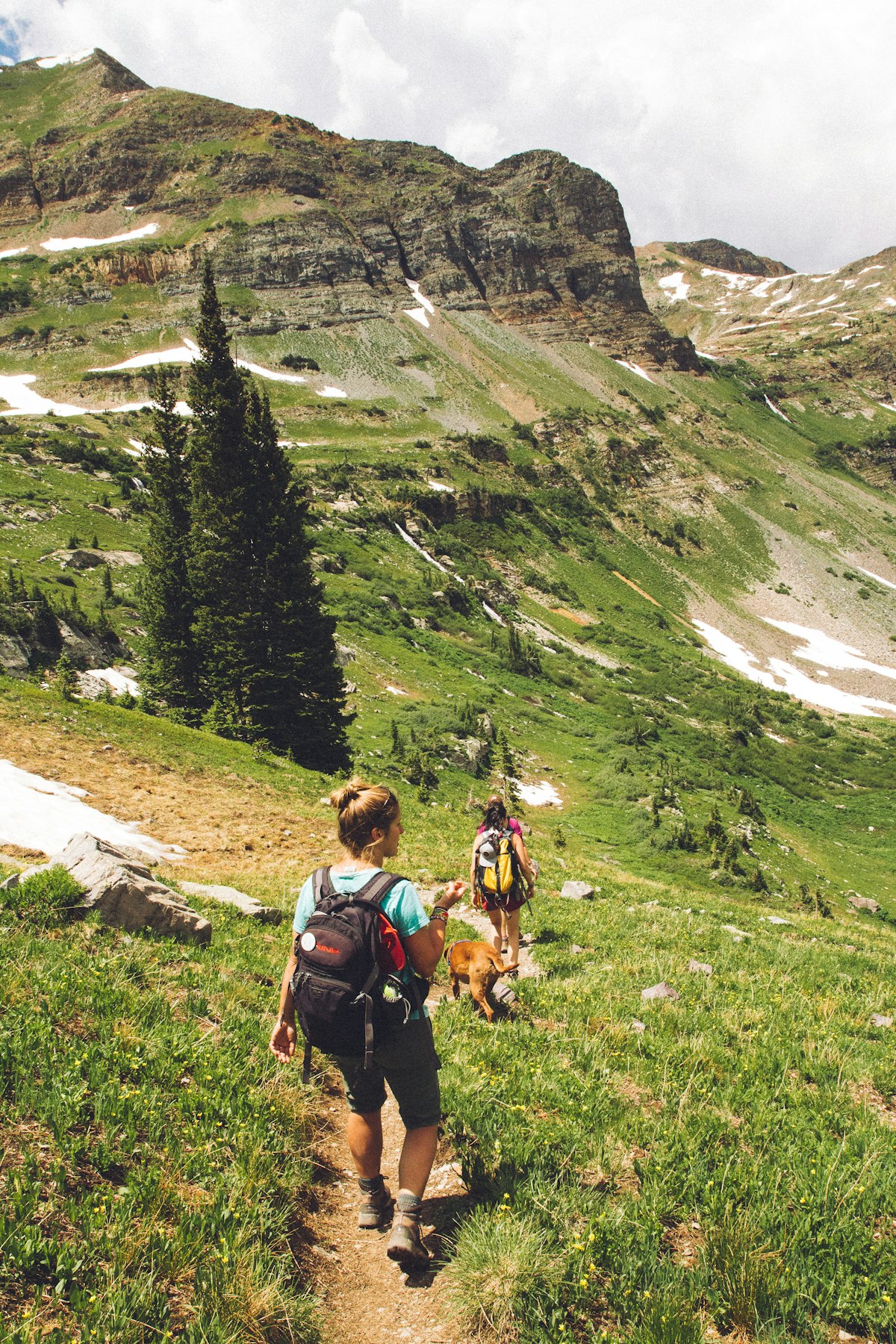
The ideal Nepal packing list depends on your season, activities, and destinations. For a city-and-culture trip, a single carry-on backpack with layerable clothing, comfortable walking shoes, and a rain jacket is sufficient. For trekking, you will need technical gear including a sleeping bag (rated to -10C for high-altitude treks), broken-in hiking boots, and moisture-wicking layers. The single most important rule: pack light and buy anything you forgot in Kathmandu's Thamel — it has the cheapest trekking gear shops in the world.
This guide provides a comprehensive, season-specific packing list for every type of Nepal traveller.
What Should You Pack for Nepal's Different Seasons?
Nepal has four distinct seasons, each demanding a different approach:
Spring (March-May):
- Warm days (20-30C in valleys, 10-20C at altitude) and cool nights.
- Rhododendron season — the most colourful time for trekking.
- Pack: Light layers, one warm fleece, rain jacket (pre-monsoon showers increase in May), sun protection.
Summer/Monsoon (June-September):
- Hot and humid (25-35C in Kathmandu), heavy daily rainfall.
- Trekking is possible but trails are muddy and leeches are active.
- Pack: Waterproof everything, quick-dry clothing, insect repellent, leech socks, umbrella (more useful than a rain jacket in the humidity).
Autumn (October-November):
- The best season. Clear skies, moderate temperatures (15-25C in valleys), perfect for trekking.
- Pack: Layers for temperature variation, sun protection, dust mask for Kathmandu.
Winter (December-February):
- Cold (2-15C in Kathmandu, well below zero at altitude), dry, clear skies.
- Budget hotels may not have heating. High-altitude passes may be closed.
- Pack: Warm down jacket, thermal base layers, gloves, beanie, warm sleeping bag for trekking.
What Clothing Do You Need for City Exploration?
If you are spending time in Kathmandu, Pokhara, Chitwan, or Lumbini without trekking, your clothing needs are straightforward:
Essentials:
- 3-4 lightweight, breathable tops (cotton or moisture-wicking). Choose modest cuts that cover shoulders.
- 2 pairs of comfortable trousers or long skirts. Avoid shorts in cities — they attract stares.
- 1 pair of comfortable walking shoes with good grip (Kathmandu's streets are uneven and dusty).
- 1 pair of sandals or flip-flops for hotels and casual use.
- 1 light rain jacket or windbreaker (useful year-round).
- 1 fleece or warm layer for evenings and air-conditioned restaurants.
- Underwear and socks for your trip length (laundry is cheap and fast in tourist areas — NPR 50-100 per item, same-day service).
- 1 scarf or shawl — useful for temple visits, sun protection, and as a light blanket.
- Sunglasses and a hat.
What NOT to bring for cities:
- Formal clothing. Nepal is casual. Even the nicest restaurants do not have dress codes.
- Expensive jewellery or watches. Not a safety issue per se, but unnecessary and attracts attention.
- Heavy jeans. They take forever to dry, are uncomfortable in heat, and are heavy in your bag.
What Trekking Gear Do You Need?
Trekking gear requirements depend on your route and altitude:
For Teahouse Treks (Annapurna, Everest, Langtang)
Footwear:
- Hiking boots: Waterproof, ankle-supporting, and broken in before your trip. This is the single most important piece of gear. Blisters ruin treks.
- Trekking sandals: For evening wear at teahouses and river crossings.
- Liner socks + wool/synthetic hiking socks: 3 pairs of each minimum.
Clothing layers (the layer system):
Base layer:
- 2-3 moisture-wicking synthetic or merino wool tops (long and short sleeve).
- 2 pairs of trekking trousers (zip-off convertible trousers are practical).
- Thermal base layer (top and bottom) for above 3,000m.
Mid layer:
- 1 warm fleece jacket.
- 1 down jacket or synthetic insulated jacket (essential above 3,500m, useful at any altitude in winter).
Outer layer:
- 1 waterproof, breathable rain jacket (Gore-Tex or equivalent).
- 1 pair of waterproof over-trousers (for monsoon treks or rain-prone seasons).
Head and hands:
- Warm beanie/hat.
- Sun hat with brim.
- Buff/neck gaiter (doubles as dust mask, headband, and face covering).
- Lightweight gloves + warm insulated gloves (for above 4,000m).
Equipment:
- Daypack (25-35 litres): If using a porter, this carries your daily essentials. If carrying everything yourself, you need a 50-65 litre pack instead.
- Sleeping bag: Rated to -10C for Everest/Annapurna above 4,000m. Teahouses provide blankets, but they are thin and not always clean. A sleeping bag liner adds warmth and hygiene.
- Trekking poles: Highly recommended, especially for descents. Saves your knees dramatically. Available for rent in Thamel (NPR 100-200/day) or for purchase (NPR 500-2,000).
- Headlamp: Essential. Teahouses have electricity but outages are common, and early morning departures (e.g., for sunrise viewpoints) require one.
- Water bottle (1 litre minimum): Nalgene or similar. Pair with purification tablets or a SteriPen to avoid buying plastic bottles.
- Dry bags or heavy-duty ziplock bags: For keeping electronics, documents, and clothes dry.
For Camping Treks (Upper Mustang, Dolpo, Makalu)
Everything above, plus:
- Your agency typically provides tents, cooking equipment, and group gear.
- A warmer sleeping bag (rated to -20C for very high passes).
- More clothing layers, as you cannot buy or wash en route.
- Toilet paper (not always available at wild campsites).
What Electronics Should You Bring?
Essentials:
- Smartphone: Your primary camera, GPS, communication device, and entertainment. Download offline maps (Maps.me) before leaving cities.
- Power bank (20,000 mAh minimum): Charging at teahouses costs NPR 100-500 per device and is solar-dependent at high altitude. A large power bank covers 3-4 full phone charges.
- Universal travel adapter: Nepal uses Type C, D, and M sockets (similar to India). A universal adapter with USB ports is the simplest solution.
- Headlamp with spare batteries: AAA batteries are available in Thamel but overpriced on the trail.
Recommended but optional:
- Camera: If your phone camera is insufficient. A lightweight mirrorless camera covers 90% of needs.
- E-reader (Kindle): Lighter than books for long trek evenings.
- Portable WiFi hotspot: Not necessary — your local SIM card handles connectivity.
What NOT to bring:
- Laptop (unless you are working remotely). Too heavy, too fragile, too tempting for theft.
- Drone. Nepal requires drone permits, which are expensive and difficult to obtain. Flying without a permit can result in confiscation and fines.
- Hair dryer/straightener. Most Nepal hotel rooms cannot handle high-wattage appliances, and power outages make them unreliable.
What Medicines and Toiletries Do You Need?
Medicine kit (essential):
- Altitude sickness medication: Acetazolamide (Diamox) — available over the counter at Kathmandu pharmacies for NPR 50-100 per strip. Carry it even if you are unsure about altitude.
- Oral rehydration salts (ORS): For stomach upsets and dehydration.
- Imodium/loperamide: For diarrhoea emergencies.
- Paracetamol and ibuprofen: For headaches, pain, and altitude-related discomfort.
- Antihistamine: For allergic reactions.
- Broad-spectrum antibiotic (e.g., Ciprofloxacin): Consult your doctor before travel. Useful for severe gastric infections when medical help is far away.
- Water purification tablets (Aquatabs) or SteriPen: Essential for trekking.
- Insect repellent (DEET-based): Especially for Chitwan and Terai regions.
- Plasters/band-aids and blister pads (Compeed): Critical for trekking.
- Personal prescription medications: Bring sufficient supply plus spare.
Toiletries:
- Sunscreen (SPF 50+) — UV at altitude is intense.
- Lip balm with SPF.
- Hand sanitiser.
- Wet wipes — invaluable when showers are scarce on treks.
- Toothbrush and toothpaste (available everywhere, but you may prefer your own brand).
- Microfibre towel — quick-drying and compact. Teahouse towels are unreliable.
- Toilet paper — carry a roll in a ziplock bag. Available at teahouses but not always in the bathroom.
What Important Documents and Essentials Should You Carry?
- Passport with at least 6 months validity and 2 blank pages.
- 4-6 passport-size photos (for visa, trekking permits, SIM card).
- Travel insurance document (printed and digital copy).
- Photocopies of passport, visa, and insurance (stored separately from originals).
- Cash — Nepali rupees and some US dollars. ATMs are available in Kathmandu and Pokhara but not on treks.
- Hotel booking confirmations — having your BookGarum booking on your phone makes check-in smooth.
- Debit/credit card (Visa is most widely accepted).
- Small padlock — for hostel lockers and teahouse room doors.
What Should You NOT Bring to Nepal?
- Too many clothes. Laundry is cheap and fast. Pack for 5-7 days regardless of trip length.
- Expensive camping gear you are afraid to damage. Nepal's trails are rugged.
- Plastic bags. Nepal has banned single-use plastic bags. Bring reusable bags.
- Illegal substances. Nepal has strict drug laws despite a historically relaxed reputation.
- Heavy guidebooks. Digital versions or apps are lighter and more up-to-date.
- Full-size toiletries. Decant into travel bottles. Everything is available in Kathmandu if you run out.
Frequently Asked Questions
Can I buy trekking gear in Nepal instead of bringing it? Absolutely. Thamel in Kathmandu is famous for cheap trekking gear — both genuine brand outlets and high-quality replicas. You can fully kit yourself out for a fraction of Western prices. Boots are the exception — buy and break these in at home.
Do I need a sleeping bag for teahouse treks? Strongly recommended. Teahouses provide blankets, but they are thin, sometimes damp, and shared with many travellers. A sleeping bag ensures warmth and hygiene.
Should I bring a tent? Only if doing a camping trek (which requires agency organisation). Teahouse treks do not require tents.
What bag size do I need? City trip: 30-40 litre backpack. Teahouse trek with porter: 25-35 litre daypack (porter carries a larger duffel). Self-carried trek: 50-65 litre pack.
Is there a weight limit for porters? Yes, ethically a porter should carry no more than 25-30 kg. Pack accordingly and do not overload your porter.
Can I do laundry on a trek? Hand-washing in cold water is possible but slow to dry at altitude. Most trekkers wear items for 2-3 days and wash in town stops.
Pack Smart, Travel Better — Book on BookGarum
With your packing sorted, the next step is booking great accommodation. Search verified hotels on BookGarum across Nepal's top destinations — from Kathmandu city hotels with luggage storage and laundry services to Pokhara lakeside properties perfect for pre-trek preparation. Book with confidence knowing that genuine guest reviews, transparent pricing, and instant confirmation are just a click away.