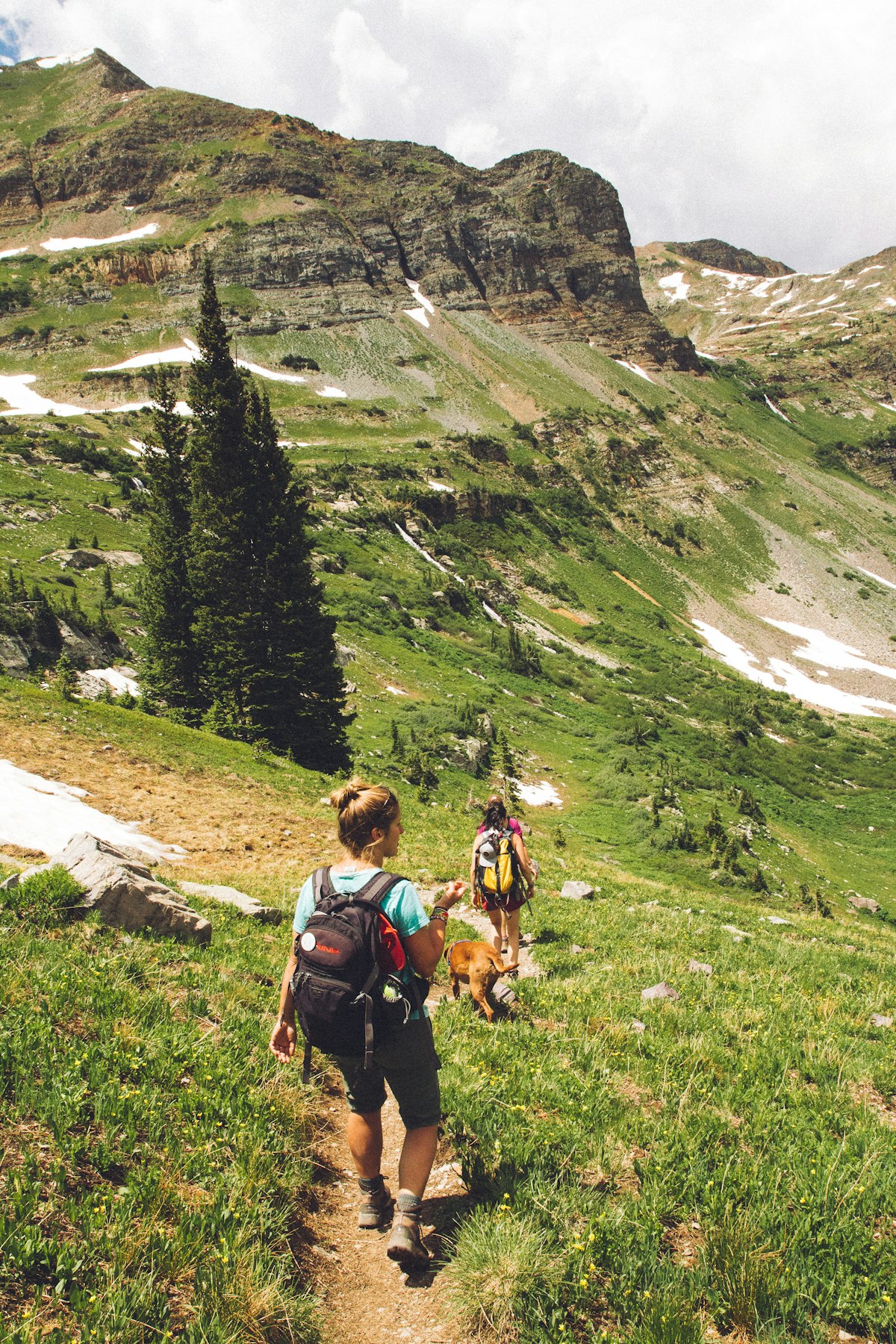
What you pack for Nepal depends entirely on whether you are trekking, exploring cities, or both — and which season you are visiting. For a city-focused trip (Kathmandu, Pokhara, Chitwan), you need surprisingly little: comfortable walking shoes, layered clothing, a daypack, and sun protection. For trekking, add proper hiking boots, a warm down jacket, thermal base layers, and a quality sleeping bag. For monsoon season (June-September), waterproof everything becomes essential. This complete packing list covers every scenario so you arrive prepared without overpacking.
What Are the Absolute Essentials for Any Nepal Trip?
These items are non-negotiable regardless of your itinerary, season, or travel style:
Documents and money:
- Passport (6+ months validity, 2 blank pages minimum)
- Two passport-size photographs (for visa, permits, SIM card)
- Travel insurance documents (printed and digital copies)
- Cash in USD (for visa fee) and small-denomination INR or home currency for exchange
- Debit/credit card (Visa and Mastercard work at most ATMs; Amex is poorly accepted)
- Copies of all documents stored in email or cloud
Health essentials:
- Prescription medications (bring extra — pharmacies exist but may not stock your exact brand)
- Basic first aid: plasters, antiseptic wipes, pain relief (ibuprofen/paracetamol)
- Altitude sickness medication: Diamox/Acetazolamide if trekking above 3,000m (consult your doctor)
- Anti-diarrhoea tablets (Imodium/loperamide)
- Oral rehydration salts
- Sunscreen SPF 50 (UV is intense at altitude)
- Insect repellent (DEET-based, essential for Chitwan and the Terai lowlands)
- Water purification tablets or a Lifestraw/Grayl bottle
Electronics:
- Smartphone (unlocked for Nepali SIM card)
- Universal power adapter — Nepal uses Type C, D, and M sockets (a universal adapter covers all)
- Power bank (10,000-20,000 mAh)
- Camera with extra memory cards (optional but recommended — Nepal is extraordinarily photogenic)
- Head torch/flashlight (essential even in cities — power cuts happen)
Everyday carry:
- Daypack (20-25 litres) for daily excursions
- Reusable water bottle (1 litre minimum)
- Sunglasses with UV protection
- Quick-dry travel towel
- Toilet paper and hand sanitiser (many public toilets lack these)
- Padlock for hostel lockers and bag security
What Should You Pack for City Exploration?
If your trip is focused on Kathmandu, Pokhara, Chitwan, and Lumbini without trekking, your packing list is relatively light:
Clothing (city trips):
- 3-4 t-shirts or lightweight shirts (quick-dry fabric is ideal)
- 2 pairs of comfortable trousers or convertible pants
- 1 pair of shorts (for Chitwan/lowlands — avoid in temples)
- 1 light fleece or sweater (Kathmandu evenings are cool October-March)
- 1 rain jacket or compact umbrella
- Comfortable walking shoes (broken in — you will walk 10-15 km daily on uneven surfaces)
- Flip-flops or sandals for hotels and casual evenings
- 5-7 pairs of underwear and socks
- 1 modest outfit for temple visits (covers knees and shoulders)
- 1 scarf or shawl (doubles as temple cover-up, dust mask, and sun protection)
Season-specific additions:
| Season | Add to your pack |
|---|---|
| Winter (Dec-Feb) | Warm jacket, thermal base layer, beanie, gloves. Kathmandu drops to 2-5°C at night. |
| Spring (Mar-May) | Lighter layers, stronger sunscreen. Days are warm (25-30°C) but evenings cool. |
| Monsoon (Jun-Sep) | Waterproof jacket, waterproof bag covers, extra plastic bags for electronics. |
| Autumn (Oct-Nov) | Light layers, fleece for evenings. The best weather — warm days, clear skies. |
Pro tip: Kathmandu's air quality is poor, especially in winter. A reusable N95 or KN95 mask is genuinely useful for walking in traffic. Many locals wear masks year-round.
What Trekking Gear Do You Need?
Trekking in Nepal ranges from moderate walks (Poon Hill, 4-5 days) to extreme expeditions (Everest Base Camp, 12-14 days). This list covers moderate to challenging treks up to 5,500m:
Footwear:
- Hiking boots: Ankle-high, waterproof, broken in before departure. This is the single most important trekking purchase. Do not buy new boots and test them on the trail.
- Camp shoes: Lightweight sandals or slip-ons for tea houses and rest days.
- Gaiters (optional): Useful for muddy monsoon trails and snow at altitude.
Clothing (trekking):
- 2-3 moisture-wicking base layer tops (avoid cotton — it retains sweat and chills you)
- 1-2 thermal base layers (top and bottom) for high altitude and sleeping
- 1 fleece jacket (mid-layer insulation)
- 1 down jacket (essential above 3,500m — compressible and extremely warm)
- 2 pairs of trekking trousers (zip-off legs are practical)
- 3-4 pairs of merino wool or synthetic hiking socks
- Warm beanie/hat
- Sun hat with brim
- Buff/neck gaiter (wind protection, dust, sun)
- Lightweight gloves + warm gloves (layering system for high altitude)
- Waterproof jacket (Gore-Tex or similar — not a cheap rain poncho)
- Waterproof trousers (for monsoon and high passes)
Equipment:
- Backpack: 50-65 litres if carrying your own gear, 30-40 litres if using a porter
- Rain cover for your backpack
- Sleeping bag: Rated to -10°C to -15°C for EBC/Annapurna Circuit. Tea houses provide blankets, but they are often insufficient above 4,000m.
- Trekking poles: Highly recommended for descents (saves your knees enormously). Collapsible poles pack well.
- Water treatment: Purification tablets, SteriPEN, or Grayl bottle. Do not rely on buying bottled water — it creates enormous plastic waste on the trails.
- Dry bags: 2-3 for keeping electronics, documents, and clothes dry
Buy in Nepal vs bring from home: Thamel in Kathmandu is packed with trekking gear shops selling mostly counterfeit but functional gear at a fraction of the price. Down jackets (NPR 2,000-4,000), sleeping bags (NPR 1,500-3,000 to rent, NPR 5,000-8,000 to buy), trekking poles (NPR 800-1,500), and fleece layers (NPR 500-1,000) are all available. Quality varies — inspect seams and zippers carefully. For critical items (boots, waterproof jacket), bring your own tested gear.
What Should You Pack Differently for Monsoon Travel?
Monsoon season (June-September) brings daily rain, leeches on forest trails, and high humidity. It also brings fewer tourists, lush landscapes, and dramatically lower prices. If you travel during monsoon, adjust your packing:
Monsoon additions:
- Waterproof daypack or rain cover for all bags
- Two pairs of quick-dry shoes (one will always be drying)
- Leech socks — Long, tight socks that tuck into your trousers. Leeches are common on forest trails in Chitwan and lower Annapurna.
- Extra zip-lock bags for phone, camera, passport, and cash
- Umbrella — More practical than a rain jacket for city use. Lightweight, collapsible.
- Quick-dry clothing only — Cotton takes forever to dry in humidity. Synthetic and merino are essential.
- Extra underwear and socks — Drying time doubles in monsoon humidity
- Waterproof phone case — A cheap waterproof pouch (NPR 200-300 in Thamel) saves your phone from sudden downpours
Monsoon reality: It does not rain all day. Mornings are usually clear, with heavy afternoon showers lasting 2-4 hours. Plan outdoor activities for the morning and indoor activities (museums, cooking classes, spa treatments) for the afternoon.
What Medicines and Toiletries Should You Bring?
Nepal's pharmacies are well-stocked and medicines are cheap, but you cannot always find specific brands. Bring these from home:
Medicine kit:
- Your regular prescriptions (bring the prescription document for customs)
- Diamox (acetazolamide) — for altitude sickness prevention above 3,000m. Start 1-2 days before ascent. Consult your doctor.
- Ibuprofen and paracetamol — for headaches, muscle pain, and mild altitude symptoms
- Imodium (loperamide) — for diarrhoea
- Oral rehydration salts (Jeevan Jal is the local brand, available everywhere)
- Broad-spectrum antibiotic (e.g., azithromycin) — consult your travel doctor. Useful for bacterial gut infections when medical help is days away on a trek.
- Antihistamines — for allergic reactions and insect bites
- Throat lozenges — the dust and dry air at altitude cause sore throats
- Blister plasters (Compeed or similar) — essential for trekking
Toiletries:
- Sunscreen SPF 50 (bring from home — Nepali sunscreen is expensive and limited)
- Lip balm with SPF
- Insect repellent (DEET 30%+ for Chitwan and the Terai)
- Biodegradable soap/shampoo (for environmental responsibility on treks)
- Toothbrush, toothpaste, deodorant (basics available everywhere)
- Feminine hygiene products (available in cities, limited in trekking areas — bring enough for the trek)
- Contact lens supplies if applicable (dust in Kathmandu is hard on lenses)
What Should You NOT Bring to Nepal?
Overpacking is the most common mistake. Here is what to leave at home:
- Heavy denim jeans — Slow to dry, uncomfortable for walking, heavy. Trekking trousers are better.
- Expensive jewellery or watches — Unnecessary and attracts attention
- Too many books — One paperback is enough. Thamel has excellent second-hand bookshops for swaps.
- Hair dryer or straightener — Most hotels provide them, and Nepal's electricity is unreliable
- Large towels — Quick-dry travel towels are lighter and dry faster
- More than one pair of "nice" shoes — You will live in walking shoes and flip-flops
- Laptop (unless you are working remotely) — A phone does everything a tourist needs
- Indian Rs. 500 (new) and Rs. 2,000 notes — Not accepted in Nepal. Carry smaller denominations.
- Drone (unless you have permits) — Regulations are tightening and enforcement is increasing
- Excessive clothing — Laundry services are cheap (NPR 50-100 per item) and available everywhere
The golden rule: If you are unsure whether to bring something, leave it. Nepal is remarkably well-equipped for tourists, and anything you forget can be bought cheaply in Thamel or Lakeside.
How Should You Organise Your Luggage?
For a city trip (7-10 days):
- One carry-on-sized rolling bag or backpack (40-50 litres)
- One daypack (20-25 litres)
- Total weight: 8-12 kg
For a combined city + trek trip (2-3 weeks):
- One trekking backpack (50-65 litres) for the trek portion
- One smaller bag for city clothes (leave at your Kathmandu hotel during the trek — most hotels store luggage for free)
- One daypack that doubles as your summit day pack
- Total weight for trekking: 10-15 kg if carrying your own, 7-8 kg if using a porter (porters carry 20-25 kg)
Packing organisation tips:
- Use packing cubes or zip-lock bags to organise by category
- Keep a set of "clean city clothes" separate from trekking gear
- Pack all documents and electronics in waterproof bags within your main bag
- Keep one change of clothes in your carry-on bag for flights (luggage delays happen)
- Wear your heaviest shoes on the plane to save bag weight
Search hotels on BookGarum and start planning your Nepal trip →
Related reads: