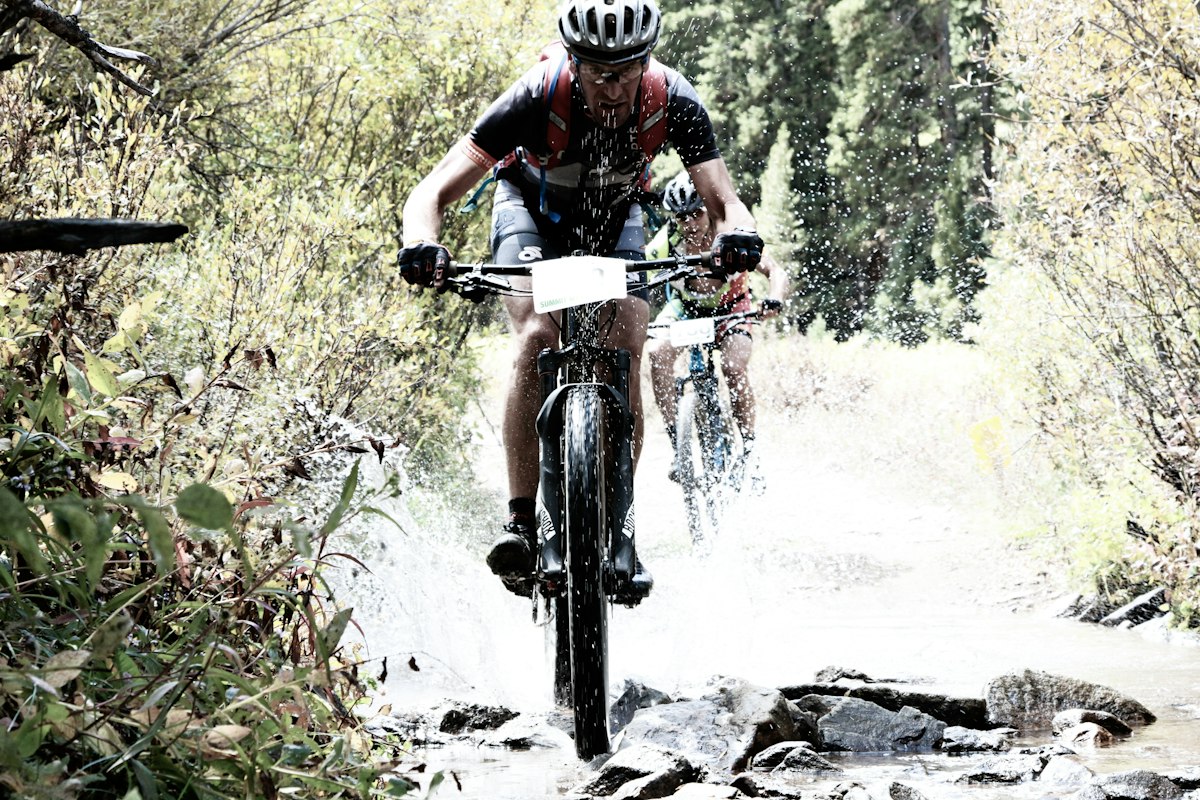
Mountain biking in Nepal offers an extraordinary combination of singletrack trails threading through ancient villages, high-altitude passes with Himalayan panoramas, and descents through terraced farmland that rival anything in the Alps or the Rockies — at a fraction of the cost. The Kathmandu Valley alone contains dozens of rideable trails ranging from beginner-friendly dirt roads to expert-level singletrack, while longer expeditions like the Annapurna Circuit by bike or the Mustang trail push into genuinely remote Himalayan territory. Bike hire starts from USD 10-25 per day for a quality hardtail, guided day rides cost USD 40-80, and the country's rapidly growing trail network makes Nepal one of the most exciting emerging mountain biking destinations in the world.
What Are the Best Mountain Biking Trails in the Kathmandu Valley?
The Kathmandu Valley is Nepal's mountain biking heartland, offering an extraordinary density of trails within a 30-kilometre radius of the city centre. The valley is essentially a bowl surrounded by a rim of forested hills, and it is this rim — crisscrossed with ancient trade routes, village paths, and forest trails — that provides the riding.
Shivapuri National Park Circuit
- Distance: 25-35 km (depending on route)
- Elevation gain: 800-1,200m
- Difficulty: Intermediate to advanced
- Highlights: The Shivapuri ridge forms the northern wall of the Kathmandu Valley. Trails climb through oak and rhododendron forest to ridgeline viewpoints with panoramic Himalayan views (Langtang, Ganesh Himal, Jugal Himal). The descent options range from smooth forest fireroads to technical singletrack with root drops and switchbacks.
- Access: Start from Budhanilkantha (northern Kathmandu). National park entry fee: NPR 600 for foreigners.
- Best for: Experienced riders wanting a full-day physical challenge with world-class views.
Nagarkot to Changu Narayan
- Distance: 18-22 km (mostly downhill)
- Elevation: Start 2,175m, finish 1,560m
- Difficulty: Beginner to intermediate
- Highlights: This is Nepal's most popular mountain biking day ride, and for good reason. Start at Nagarkot (famous for sunrise Himalayan views), then descend through pine forests, terraced farmland, and Tamang villages to the ancient Changu Narayan temple (UNESCO World Heritage Site). The trail is 80% rideable dirt road with a few singletrack sections through villages.
- Access: Drive to Nagarkot (1.5 hours from Kathmandu), ride back. Alternatively, ride both ways for a serious workout.
- Best for: First-time mountain bikers in Nepal and anyone wanting a scenic half-day ride.
Kakani to Nuwakot
- Distance: 40-50 km
- Elevation: Start 2,030m, descent to 1,000m
- Difficulty: Intermediate
- Highlights: A full-day ride through the northwest valley rim. Kakani offers stunning views of the Ganesh and Langtang Himal ranges. The descent to the historic fortress town of Nuwakot follows ancient trade routes through Tamang and Newar villages. The final approach to Nuwakot Durbar (Seven-Storey Palace) is through lush terraced fields.
- Access: Drive to Kakani (45 minutes from Kathmandu). Return by vehicle from Nuwakot.
- Best for: Riders wanting cultural immersion alongside a long descent.
Champadevi Ridge
- Distance: 15-20 km
- Elevation gain: 700m
- Difficulty: Advanced (technical singletrack)
- Highlights: Starting from Pharping (southern Kathmandu), this trail climbs steeply to the Champadevi ridge (2,278m) with views across the entire Kathmandu Valley. The singletrack is tight, rooty, and technical — Nepal's answer to European alpine trails. The descent is exhilarating but demands strong bike handling skills.
- Access: Taxi to Pharping (45 minutes from Thamel).
- Best for: Experienced singletrack riders looking for technical terrain close to the city.
Can You Mountain Bike the Annapurna Circuit?
Yes, and it is one of the world's great cycle touring adventures. The Annapurna Circuit by mountain bike covers approximately 160-200 km of rideable trail (plus some hike-a-bike sections) around the Annapurna massif, crossing the Thorong La pass at 5,416 metres — the highest pass in the world commonly crossed by bicycle.
Route overview:
- Duration: 12-18 days (depending on fitness, acclimatisation, and side trips)
- Start/End: Besisahar (east side) to Jomsom or Muktinath (west side). Most cyclists ride counterclockwise, ascending gradually on the eastern side and descending steeply on the west.
- Total elevation gain: Approximately 8,000-10,000m
- Rideable percentage: 70-80%. The remaining sections (particularly the approach to Thorong La and some high-altitude stretches) require pushing or carrying the bike.
- Permits required: ACAP permit (NPR 3,000) and TIMS card (NPR 2,000)
Key sections:
| Section | Distance | Difficulty | Character |
|---|---|---|---|
| Besisahar to Manang | 80-100 km | Moderate | Gradual climb, river valley, villages |
| Manang to Thorong Phedi | 20 km | Hard | High altitude, thin air, rocky trail |
| Thorong La crossing | 10 km | Extreme | Hike-a-bike, 5,416m, snow possible |
| Muktinath to Jomsom | 25 km | Easy-moderate | Fast descent, desert-like terrain |
| Jomsom to Tatopani | 50 km | Moderate | Kali Gandaki gorge, mixed terrain |
Logistics:
- Bring your own bike or hire a quality hardtail in Kathmandu (USD 15-25/day for a Trek/Giant equivalent)
- Teahouse accommodation is available throughout — no need to carry camping gear
- Food and water available in villages every 2-3 hours of riding
- A guide is recommended for navigation and acclimatisation management (USD 30-50/day)
- Emergency vehicle access is limited above Manang — carry basic repair tools and first aid
Altitude warning: The Thorong La crossing at 5,416m is serious. Cyclists must acclimatise properly — spend at least 2 nights in Manang (3,540m) and 1 night at Thorong Phedi (4,525m) before attempting the pass. AMS (acute mountain sickness) does not care how fit you are on a bike.
How Much Does Mountain Biking in Nepal Cost?
Mountain biking in Nepal is remarkably affordable, whether you are hiring a bike for a day ride or arranging a multi-week guided expedition.
Bike hire:
| Bike Type | Daily Rate (USD) | Weekly Rate (USD) | Notes |
|---|---|---|---|
| Basic hardtail | 10-15 | 60-90 | Adequate for roads and easy trails |
| Quality hardtail (Trek/Giant) | 15-25 | 90-150 | Good for all trail riding |
| Full-suspension | 25-50 | 150-300 | Limited availability, book ahead |
| E-mountain bike | 40-70 | 250-400 | Emerging option, limited |
Hire shops are concentrated in Thamel (Kathmandu) and Lakeside (Pokhara). Inspect the bike thoroughly before renting — check brakes, tyre condition, suspension function, and gear shifting. A deposit (NPR 10,000-30,000 or passport copy) is standard.
Guided day rides:
- Kathmandu Valley half-day: USD 40-60 per person (guide, vehicle shuttle, snacks)
- Kathmandu Valley full-day: USD 60-80 per person (guide, vehicle shuttle, lunch)
- Nagarkot-Changu Narayan: USD 50-70 per person (guide, Nagarkot transport, temple entry)
Multi-day expeditions:
- Annapurna Circuit (14-18 days, guided): USD 1,200-2,500 per person (guide, permits, accommodation, meals)
- Mustang trail (10-14 days, guided): USD 1,500-3,000 per person (includes restricted area permit)
- Kathmandu to Pokhara (5-7 days): USD 500-900 per person
DIY budgeting for self-guided riding:
- Teahouse accommodation: NPR 300-800/night
- Meals (dal bhat, pasta, fried rice): NPR 400-800 per meal
- Daily total on trail: NPR 2,000-4,000 (USD 15-30)
For pre-ride and post-ride accommodation, BookGarum lists properties across Kathmandu, Pokhara, and smaller trail towns — useful for finding places with secure bike storage.
What Fitness Level Do You Need for Mountain Biking in Nepal?
Nepal's terrain is unforgiving — the climbs are steep, the altitude saps energy, and the trail surfaces demand constant attention. However, the range of available rides means there is something for every fitness level.
Beginner riders: You can enjoy Nepal's mountain biking if you can ride a bicycle confidently on uneven surfaces and handle moderate hills. The Nagarkot-Changu Narayan ride is mostly downhill, the Kathmandu Valley dirt roads are rideable by anyone with basic fitness, and guided rides can be adjusted to your pace. You do not need to be an experienced mountain biker — just comfortable on two wheels.
Intermediate riders: Most Kathmandu Valley trails and the lower sections of longer routes (Annapurna Circuit below 3,000m, Kathmandu-Pokhara road sections) are well within reach. You should be able to ride 40-60 km in a day with 500-800m of climbing. Regular cycling (2-3 times per week) for 6-8 weeks before your trip is sufficient preparation.
Advanced/expedition riders: The Annapurna Circuit, Upper Mustang, and the Sun Koshi to Everest route demand serious fitness. Expect 5-8 hours of riding daily, elevation gains of 1,000-1,500m in a single day, and the compounding fatigue of multi-week expeditions at altitude. Training should include long rides (80+ km), hill repeats, and ideally some altitude exposure.
Altitude-specific preparation: Above 3,000m, your cardiovascular capacity drops by approximately 3% per 300m of elevation gain. A ride that feels moderate at sea level becomes exhausting at 4,000m. If your trip includes high-altitude sections, prioritise aerobic fitness over raw power — long, steady-state efforts are more useful than sprint intervals.
Bike handling skills: Nepal's trails feature loose rocks, exposed roots, sand, river crossings, and steep switchbacks. If your mountain biking experience is limited to smooth fire roads, consider a skills session at a bike park before your trip, or start with easier rides in Nepal to build confidence before attempting advanced trails.
When Is the Best Season for Mountain Biking in Nepal?
Autumn (October-November) — BEST Clear skies, moderate temperatures (15-25°C in the valley, cooler at altitude), dry trails, and stunning Himalayan visibility. Dust can be an issue on lower valley roads in late November. This is peak tourism season, so trails near Kathmandu can be busy on weekends.
Spring (March-May) — EXCELLENT Rhododendron forests in bloom make lower-altitude rides spectacularly beautiful. Temperatures are warm (20-30°C in the valley). Afternoon haze increases in April-May but mornings are typically clear. Trails are dry and fast. Slightly less crowded than autumn.
Winter (December-February) — GOOD FOR VALLEY RIDES Cold mornings (2-8°C) but pleasant mid-day riding (15-20°C) in the Kathmandu Valley. High passes are closed to bikes (snow above 4,000m). Valley trails are at their driest and fastest. Excellent for day rides and short multi-day tours below 2,500m.
Monsoon (June-September) — CHALLENGING Muddy, slippery trails, leeches in the forest, zero mountain views, and landslide risk on hill roads. Some riders embrace the challenge — the lush green landscape is beautiful, and the trails are empty. Tubeless tyres and mudguards are essential. The rain shadow areas of Upper Mustang and Manang remain relatively dry and are rideable during monsoon, though access roads may be affected.
What Should You Know About Bike Repair and Maintenance on the Trail?
Nepal's roads and trails are hard on bicycles. Punctures, broken spokes, and worn brake pads are not possibilities — they are certainties on any ride longer than a few days.
Essential repair kit:
- Spare inner tubes (2 minimum) or tubeless repair kit
- Tyre levers and pump (compact frame pump or CO2 inflator)
- Multi-tool with chain breaker
- Spare brake pads
- Spare derailleur hanger (specific to your bike frame — these snap on rocky trails)
- Spare chain links (quick links)
- Zip ties, duct tape, and a length of wire — the universal repair solutions
- Chain lube (small bottle — the dust dries chains quickly)
Repair resources:
- Kathmandu has several competent bike workshops in Thamel and Lazimpat that can handle most repairs
- Pokhara has bike shops near Lakeside catering to touring cyclists
- On the trail, village mechanics can improvise remarkable repairs but may lack specific parts — carry critical spares yourself
- For high-end suspension service or hydraulic brake bleeding, Kathmandu workshops are your best option
Preventive maintenance:
- Clean and lube your chain daily on dusty trails
- Check tyre pressure each morning (Nepal's altitude changes affect tyre pressure)
- Inspect brake pads every 2-3 days — Himalayan descents consume pads rapidly
- Tighten all bolts after rough riding days — vibration loosens everything
Nepal's mountain biking scene is growing rapidly, with new trails being mapped, bike-friendly accommodation appearing in smaller towns, and an active local riding community that welcomes international visitors. Whether you spend a single afternoon descending from Nagarkot through golden rice terraces or two weeks grinding over the Thorong La with your bike on your back, the riding in Nepal leaves an impression that flat-ground cycling simply cannot match. The mountains are the scenery. The trails are the adventure. The bike is your way into both.